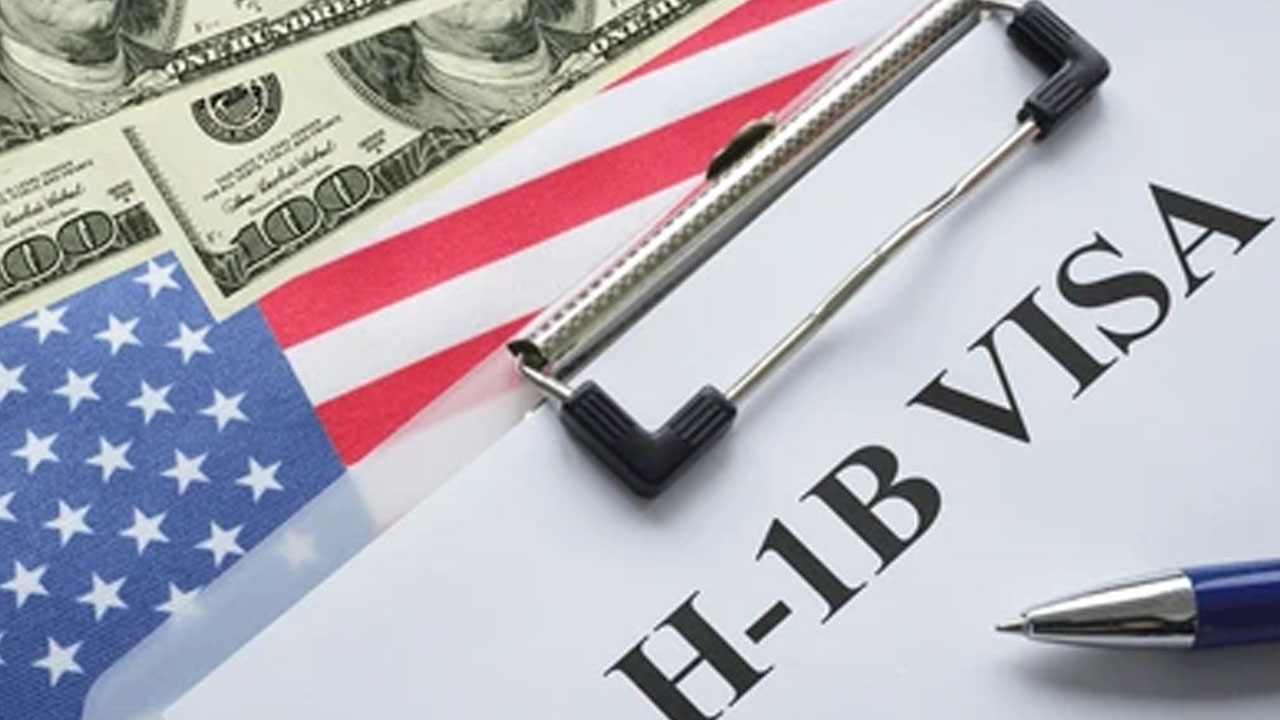
US Court Invalidates $100,000 H-1B Visa Fee
Boston, Massachusetts, USA: A major legal setback for the Trump administration's immigration policy has brought relief to US employers and foreign professionals after a federal court in Boston ruled that the controversial $100,000 H-1B visa fee was unlawful.
The H-1B visa program allows US companies to hire highly skilled foreign professionals in specialized fields such as technology, engineering, and healthcare. Each year, the United States issues 65,000 H-1B visas, along with an additional 20,000 visas for applicants who have earned a Master's degree from a US institution, bringing the annual total to 85,000.
Indian professionals account for nearly 70 percent of all H-1B visa recipients, making them the largest beneficiary group under the program. Chinese nationals rank second among recipients.
Traditionally, employers bear the cost of sponsoring H-1B visas, with expenses generally ranging between $2,000 and $5,000. However, the Trump administration sharply increased the fee to $100,000 in September last year, arguing that the move would encourage companies to prioritize hiring American workers over foreign talent.
The steep fee hike led many businesses to scale back H-1B hiring plans, particularly affecting Indian professionals who make up a significant share of the workforce recruited through the program. Several legal challenges were subsequently filed against the fee in federal courts.
After reviewing the policy, the Boston federal court ruled that the fee amounted to an unlawful tax because it had not received approval from the US Congress. The court therefore declared the fee invalid, providing immediate financial relief to affected employers.
Despite the ruling, the future of the fee remains uncertain. Reports indicate that the White House is considering an appeal in higher courts, which could prolong the legal battle for several months. Previous administrations have successfully overturned lower court decisions through appeals, leaving the final outcome unresolved.
While the ruling does not increase the annual H-1B visa quota or guarantee additional visa approvals, experts believe it could encourage US companies facing skilled labor shortages to expand foreign recruitment efforts. Since Indian professionals receive the majority of H-1B visas, they are expected to be among the primary beneficiaries if hiring activity increases in the coming months.







Post a comment