World Cinema
Avatar: Fire and Ash Movie Review – James Cameron’s Visual Feast, Story Feels Repetitive

Avatar Fire and Ash Review
The very mention of Avatar excites cinema lovers across the globe. Sixteen years ago, filmmaker James Cameron transported audiences into a breathtaking new universe. His achievement was not limited to recreating the emotional depth seen in Titanic; he also delivered an unprecedented box office phenomenon. Avatar remains a landmark in global film history. Its success was so extraordinary that Cameron announced not one or two, but four sequels at the same time. One of them arrived three years ago. However, Avatar: The Way of Water failed to fully satisfy expectations. Though visually impressive, its extended runtime and predictable narrative left viewers underwhelmed. Now, three years later, Cameron returns with Avatar: Fire and Ash. What impact does this installment create? Let us explore.

Before diving into Avatar 3, it is essential to revisit the foundation of the Avatar universe. Far removed from Earth, the lush planet Pandora is home to the Naavi, a unique and peaceful species. Humans, driven by technological power and greed, attempt to seize control of the planet, threatening the Naavi with advanced weaponry. Strengthened by unity and spiritual energy, the Naavi resist. Jake Sully arrives on Pandora through an avatar body to uncover their secrets. Over time, he becomes one of them and rises as their leader, ultimately defeating the human forces. This forms the core of Avatar.

In Avatar: The Way of Water, the focus shifts to those seeking revenge against Jake. The storyline revolves around his struggle to protect his family from renewed threats. Avatar: Fire and Ash follows a similar path but introduces a fresh element. A new clan named Mangwan enters the narrative. When humans once again invade Pandora, they form an alliance with this hostile tribe, enemies of the Naavi. The film centers on how Jake and his warriors confront the human forces and the Mangwan, along with powerful sea creatures aiding the conflict.
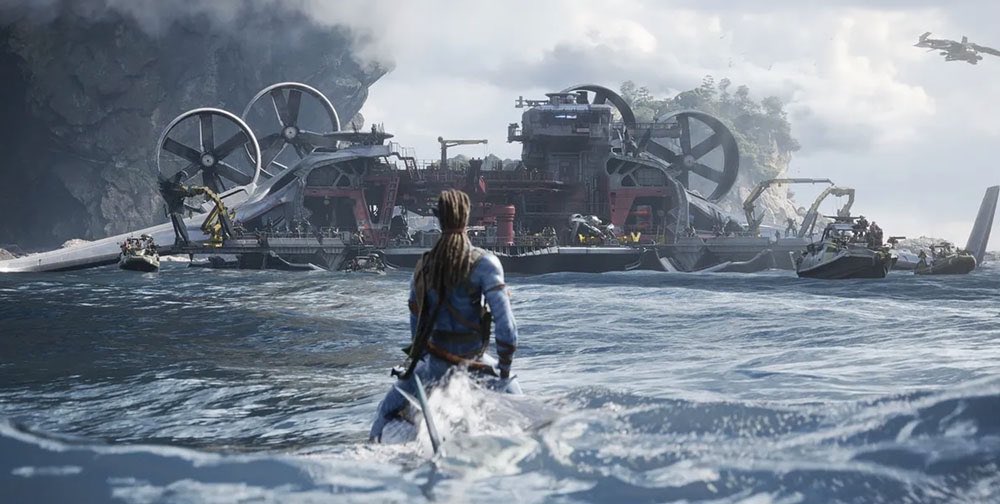
Films often receive varied responses across regions due to changing audience preferences. Yet Avatar succeeds in uniting viewers worldwide. Creating such universal appeal is rare, and Cameron accomplished it brilliantly. The vivid world of Pandora, born from his boundless imagination, made audiences feel as though they belonged there. However, Avatar was never just about stunning visuals. It carried a meaningful message. The film connected human greed with environmental destruction, clearly conveying that harming nature ultimately leads to self destruction.

While Avatar 2 once again impressed visually, its limited storyline and slow pace tested viewers patience. Taking feedback from the previous film, Cameron accelerates the storytelling this time. Unlike the water themed backdrop of Part 2, the fiery setting in Fire and Ash adds intensity to the narrative. Visually, the film remains spectacular, as expected from Cameron. However, despite the technical brilliance, the sense of novelty is diminished since audiences are already familiar with this universe. The extended runtime again becomes a drawback. Those eager to revisit Pandora on the big screen and immerse themselves in visual grandeur will find value in Avatar 3, but expecting something truly new may be difficult.

Compared to the sluggish pace of Avatar 2, Avatar 3 moves faster. The story progresses energetically from the opening scenes, with a noticeable increase in action sequences. The Colonel is now aligned with the Mangwan tribe, adding intrigue to Jake family dynamics. The character Spider, who played a key role in Part 2, continues to hold importance here. On one front, humans pursue their plan to clone Pandora and dominate the planet. On another, they attempt to crush the Naavi using the Mangwan alliance. Cameron intensifies the stakes by steering the warriors toward a large scale catastrophe.

In Avatar 2, the storyline was limited mainly to Jake effort to safeguard his family. In Avatar 3, the narrative expands significantly. Cameron visualization remains striking, and the visual effects once again dazzle the eyes. Yet, when the first Avatar released, everything felt fresh. That sense of discovery faded in Part 2, and it weakens further here. The biggest challenge with Part 3 is familiarity. This world, once magical and unexplored, no longer feels new. Story wise, it surpasses The Way of Water but does not reach the impact of the original Avatar.
With a runtime exceeding three hours, even with new characters added, the central conflict remains unchanged. Humans seek control over Pandora, while the Naavi fight to protect their homeland. This repetition reduces the element of surprise. Still, for audiences willing to overlook narrative limitations and enjoy the spectacle, Avatar 3 delivers visual value worth the ticket price. With two more sequels planned, there is a risk that viewers may feel overwhelmed by the franchise.
Final Verdict
Avatar 3: A feast for the eyes, but heavy in excess
Rating: 2.75/5
Post a comment