Health Alert: Rising Pollution and Heat Pose Serious Risks to Men
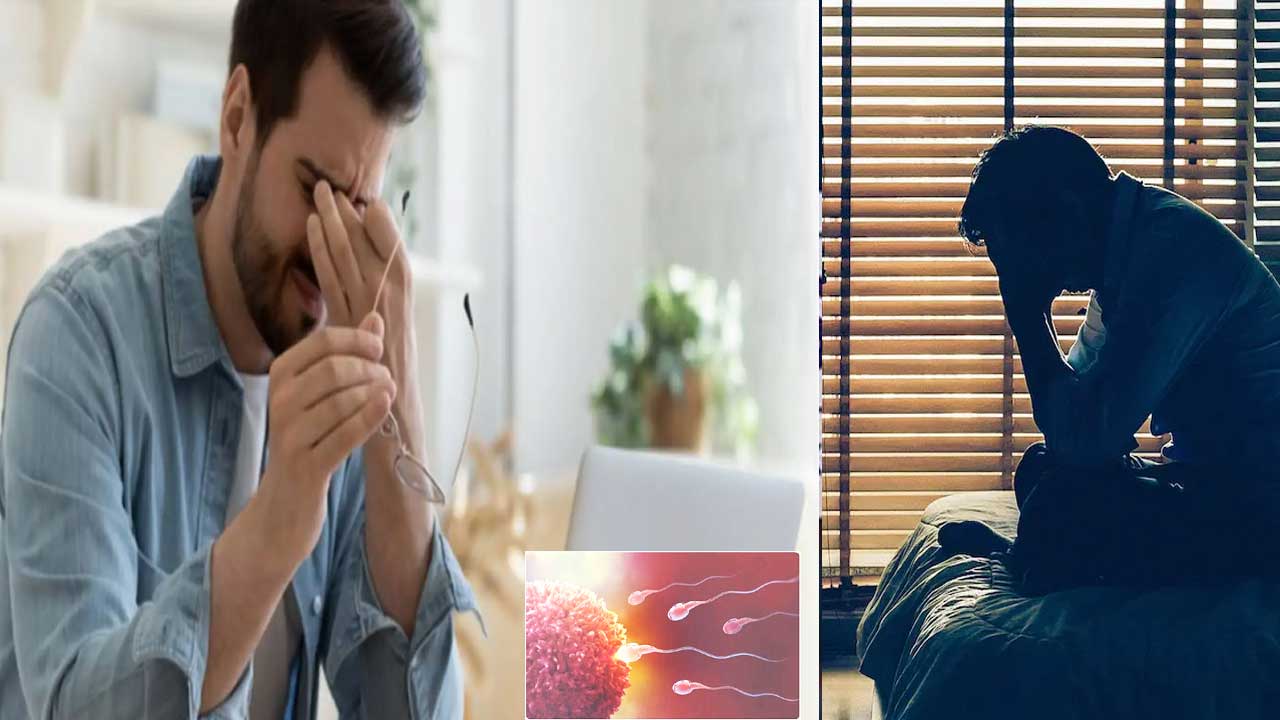
Experts warn that increasing pollution and rising temperatures are having a significant impact on men’s health, particularly their reproductive system. Dr. Neeti Kautish, Head of the Department of Gynaecology at Fortis Escorts Hospital in Faridabad, emphasized that declining male fertility is not only an individual concern but also an indicator of environmental health.
Dr. Kautish explained that air pollution, especially fine particulate matter (PM2.5) and harmful gases, can affect sperm quality. These pollutants, once inside the body, generate oxidative stress that may damage DNA, disrupt hormonal balance, and reduce reproductive capability. Supporting this, a 2022 study published in Environmental Health Perspectives reported a notable decline in sperm motility among men living in heavily polluted areas.
High temperatures are also a critical factor affecting male fertility. Sperm production requires the testicles to remain slightly cooler than the body’s core temperature. Exposure to extreme heat, tight clothing, or heatwaves can significantly reduce sperm cell production. Research from the Journal of Thermal Biology indicates that even a 1degree C rise in testicular temperature can decrease sperm production by up to 40percent.
Dr. Kautish highlighted that pollution and heat often act together, amplifying the damage. A recent Indian Council of Medical Research (ICMR) study found that men residing in polluted regions had a higher likelihood of DNA damage and hormonal imbalances.
Recommendations for Protection:
Limit prolonged exposure to hot weather.
Wear loose-fitting clothing.
Stay hydrated.
Avoid smoking and excessive alcohol consumption.
Consume foods rich in antioxidants such as fruits, vegetables, and nuts.
Medical professionals stress that combating male reproductive health issues requires not only individual precautions but also broader environmental measures. Reducing pollution, managing urban heat, and raising public awareness are essential steps to safeguard reproductive health.








Post a comment