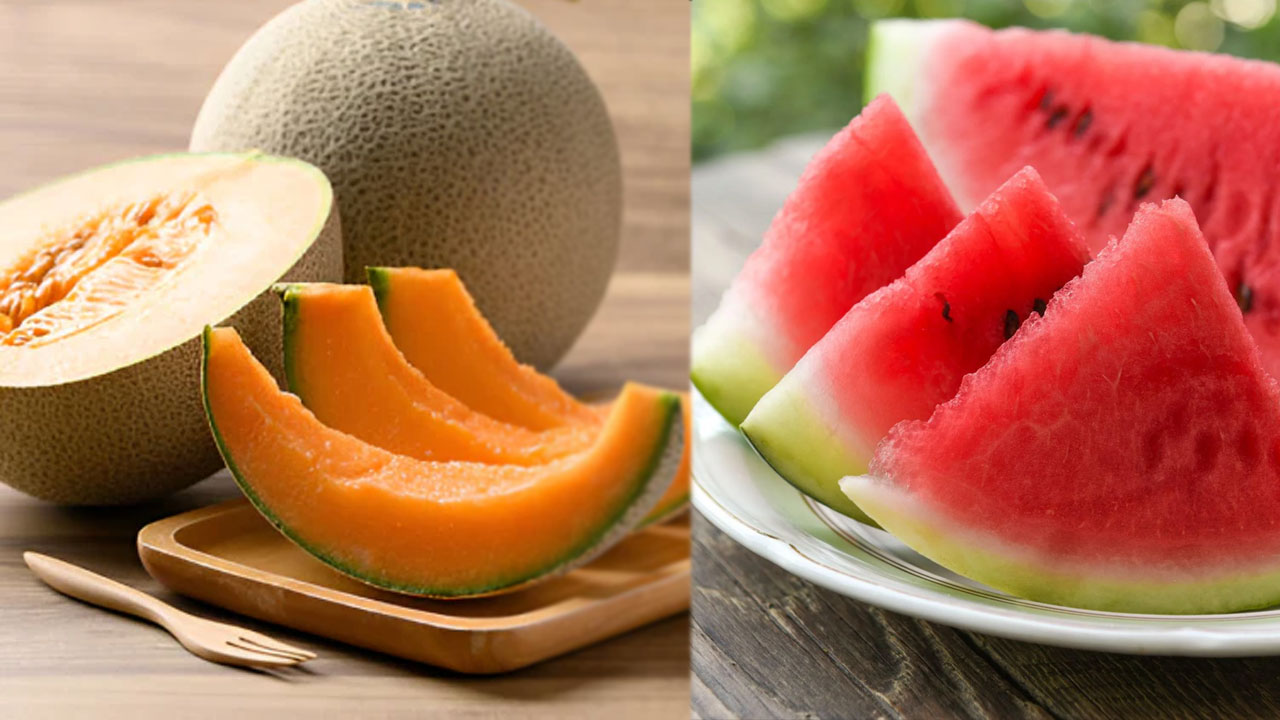
Muskmelon vs Watermelon Comparison
As temperatures soar across India during peak summer, dietary habits naturally shift toward foods that provide hydration and cooling. Among the most popular seasonal choices are watermelon (tarbooz) and muskmelon (kharbuja), both widely consumed for their refreshing properties and nutritional value.
While both fruits are considered excellent for combating heat, health-conscious consumers often question which one offers better overall benefits. A closer look at their nutritional composition and health impacts provides clarity.
Nutritional Comparison
Per 100 grams, watermelon contains approximately 30 kcal, with a high water content of over 91%, making it an effective hydrator. It also provides vitamin A, vitamin C, and small amounts of potassium. However, its glycaemic index (GI) ranges between 72 and 80, indicating a relatively high impact on blood sugar levels.
Muskmelon, on the other hand, contains slightly higher calories at 34 kcal but offers superior nutritional density. It is rich in vitamin A, vitamin C, and potassium, with a moderate GI of 65–70. Additionally, its fibre content is more than double that of watermelon, aiding digestion.
Watermelon: Hydration and Recovery
Watermelon is widely recognised for its exceptional hydration properties due to its high water content. It helps replenish fluids and electrolytes lost during extreme heat conditions, reducing the risk of dehydration.
The fruit is also a rich source of lycopene, an antioxidant linked to skin protection against UV damage and improved cardiovascular health. Additionally, the presence of L-citrulline supports muscle recovery and enhances blood flow, making it beneficial for physically active individuals.
Muskmelon: Digestive and Nutritional Benefits
Muskmelon stands out for its digestive advantages, primarily due to its higher fibre content. It supports gut health by promoting beneficial bacteria and preventing common summer digestive issues.
Its significantly higher vitamin A content contributes to improved vision and skin health, while potassium plays a key role in regulating blood pressure levels. These properties make muskmelon a nutrient-rich option for overall wellness.
Weight Loss Considerations
For individuals aiming to manage weight, the choice between the two fruits depends on dietary priorities. Watermelon, being lower in calories, allows for larger consumption without significant calorie intake but may lead to quicker hunger due to its high GI.
Muskmelon, with its higher fibre content and moderate GI, provides better satiety and sustained energy release, making it more suitable for controlling appetite.
Expert Note
Health experts recommend avoiding the consumption of these fruits late at night due to their high water and natural sugar content, which may disrupt sleep patterns.
Conclusion
- Both watermelon and muskmelon offer distinct health benefits, and neither can be considered superior in all aspects. Watermelon is ideal for instant hydration and cooling, while muskmelon provides enhanced nutrition and digestive support.
- Including both fruits in a balanced diet ensures a diverse intake of essential vitamins and antioxidants during the summer season.
Disclaimer: This article provides general health information and should not replace professional medical advice.

Post a comment