Signs of High Cholesterol
What happens in your body when cholesterol levels increase? How can you recognize high cholesterol? Let’s explore the details.
High cholesterol is one of the most prevalent health concerns today. Medical specialists warn that elevated cholesterol can trigger numerous serious health complications. Often, high cholesterol develops quietly, without noticeable symptoms, but it can ultimately contribute to heart disease and other conditions. Here’s a closer look at the causes and warning signs of high cholesterol.
Understanding Cholesterol
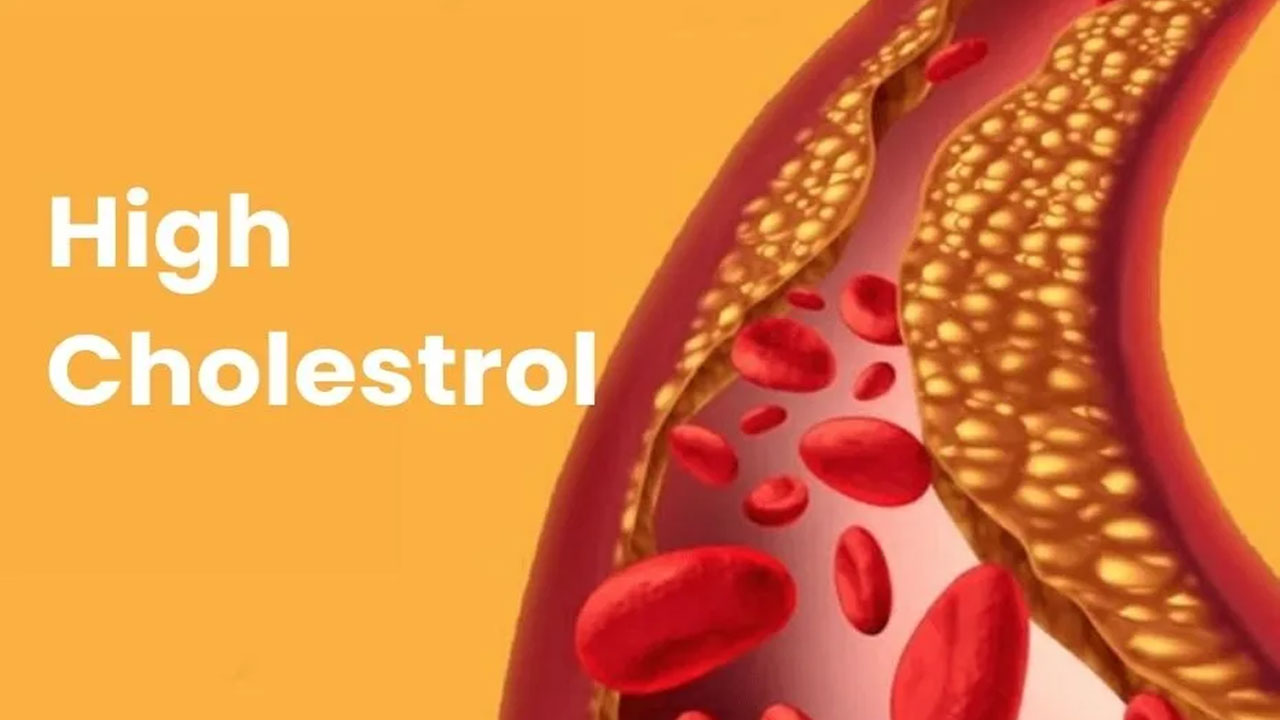
Cholesterol is a wax-like substance present in the bloodstream. The body requires cholesterol to function properly. Experts explain that cholesterol is vital for building cells, producing hormones, and generating vitamin D. However, excessive cholesterol can be harmful and increase the risk of several health problems.
There are mainly two types of cholesterol: low-density lipoprotein (LDL), often called “bad cholesterol,” and high-density lipoprotein (HDL), known as “good cholesterol.” Specialists highlight that high LDL levels can cause plaque buildup in arteries, potentially leading to heart attacks and strokes. In contrast, HDL helps protect the heart by reducing these risks.
Common Symptoms of High Cholesterol
- Chest discomfort or tightness
- Leg pain or numbness
- Changes in skin appearance
- Dizziness or lightheadedness
- Shortness of breath
- Fatigue or unusual tiredness
- Swelling in different parts of the body
- Irregular heartbeat
- Jaw pain
- Pain at the back of the neck
Experts note that certain conditions, such as type 2 diabetes and obesity, can elevate the risk of high cholesterol. Lifestyle factors—including diets rich in trans fats, sedentary habits, and excessive alcohol intake—can also contribute.
Preventing High Cholesterol Through Lifestyle
Adopting healthy lifestyle habits is crucial for managing cholesterol levels. Consuming a balanced diet rich in soluble fiber and omega-3 fatty acids, engaging in regular exercise, maintaining a healthy weight, limiting trans fats, avoiding processed foods, and quitting smoking can all help. Experts emphasize that these changes can lower LDL (“bad”) cholesterol while increasing HDL (“good”) cholesterol, promoting heart health and overall well-being.







Post a comment