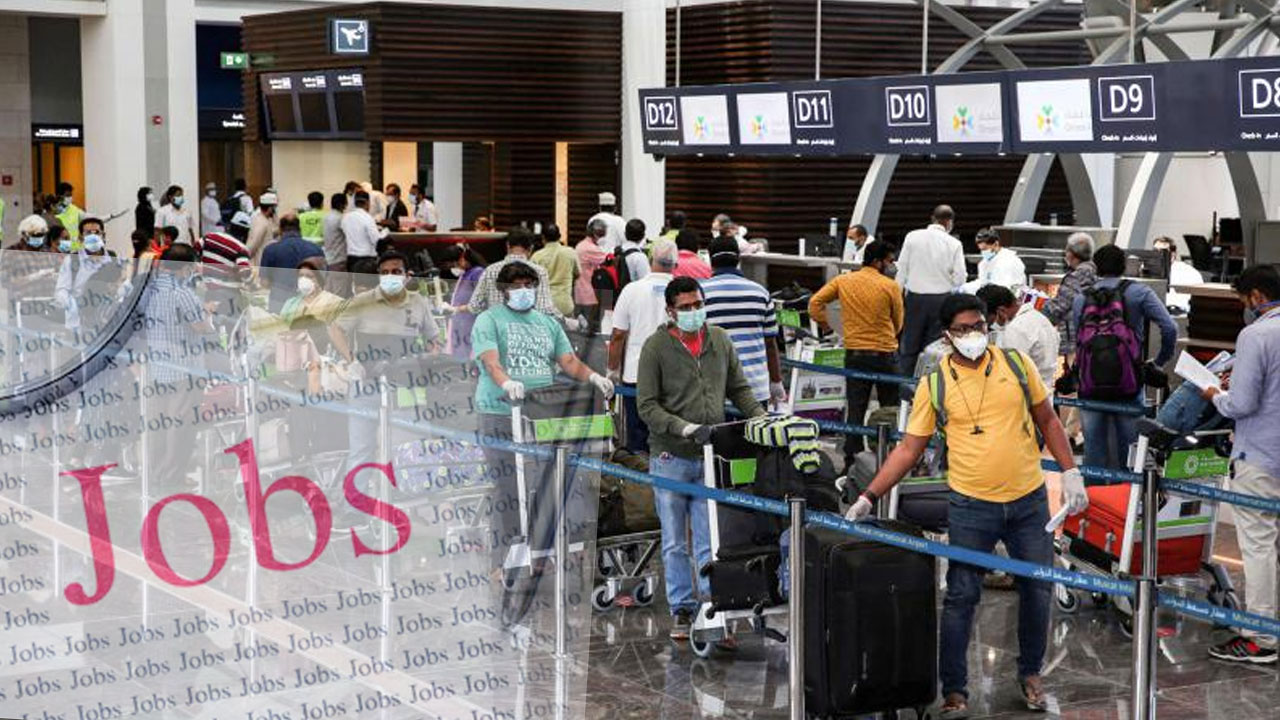
Unexpected Shock for Indians in Oman as Government Imposes New Job Restrictions
Muscat, Oman: Thousands of Indian expatriates in Oman are facing uncertainty following the Omani government’s latest labor policy, which introduces restrictions on several job categories traditionally dominated by foreign workers. The move has sparked concerns over long-term employment prospects and future migration opportunities.
While authorities have not released a comprehensive list of restricted roles, officials confirmed that the ban primarily affects sectors such as hospitality, administrative services, clerical roles, and selected supervisory and management positions. These areas employ a significant number of expatriates, including Indians. Importantly, the policy does not result in immediate job losses, as current employees can continue working until their existing permits expire. However, renewals, job changes, and new visa issuances in these sectors are expected to face strict limitations.
Impact on Indian Workers in Oman
Indian nationals form the largest expatriate workforce in Oman, particularly in construction, retail, logistics, hospitality, and service industries. While those currently employed are not at risk of sudden termination, future prospects such as promotions, role changes, or permit renewals may become increasingly difficult in positions reserved for Omani citizens.
For Indians planning to migrate, the impact could be more severe. Many roles that once served as entry points for foreign workers may no longer be available, leading to a sharp decline in job opportunities. As a result, recruitment agencies may redirect candidates to alternative Gulf destinations, although similar localization policies are gradually expanding across the region.
Remittances and Household Impact in India
Oman contributes approximately 1.5 percent of India’s total remittance inflows. Numerous households in Kerala, Tamil Nadu, Andhra Pradesh, and Telangana depend heavily on income earned in Oman. With reduced migration and stricter visa regulations, future remittance growth may slow, placing additional financial pressure on families reliant on overseas earnings. This development underscores the growing need for domestic job creation in India.
Why Oman Is Tightening Labor Laws
The policy shift reflects Oman’s internal economic priorities. With a rapidly growing young population entering the workforce each year, the government faces mounting pressure to create employment opportunities for its citizens, particularly in the private sector. Officials have emphasized that long-term economic stability requires reduced dependence on foreign labor and increased participation of nationals in services, management, and skilled industries.
Part of a Broader Gulf Trend
Oman’s labor reforms align with similar initiatives across the Gulf region, including Saudi Arabia’s Nitaqat program and the UAE’s Emiratization drive. Countries such as Saudi Arabia and the United Arab Emirates are increasingly prioritizing local employment in private-sector roles.
What Indian Workers Should Do Next
The latest decision signals a clear shift in the Gulf job market. Indian professionals already in Oman are advised to plan for the long term by upgrading skills and exploring higher-skilled roles. Prospective job seekers should carefully assess opportunities, focus on specialized professions, and consider alternative international destinations as the regional employment landscape continues to evolve.









Post a comment