Bangladesh Protests 2024
Bangladesh Violence: The ongoing protests have become a significant predicament for Prime Minister Sheikh Hasina, who secured her fourth consecutive term in January and has been in power for over 15 years. Her administration is now teetering on the edge as demonstrators relentlessly demand her resignation.
Bangladesh Unrest: Recent Updates
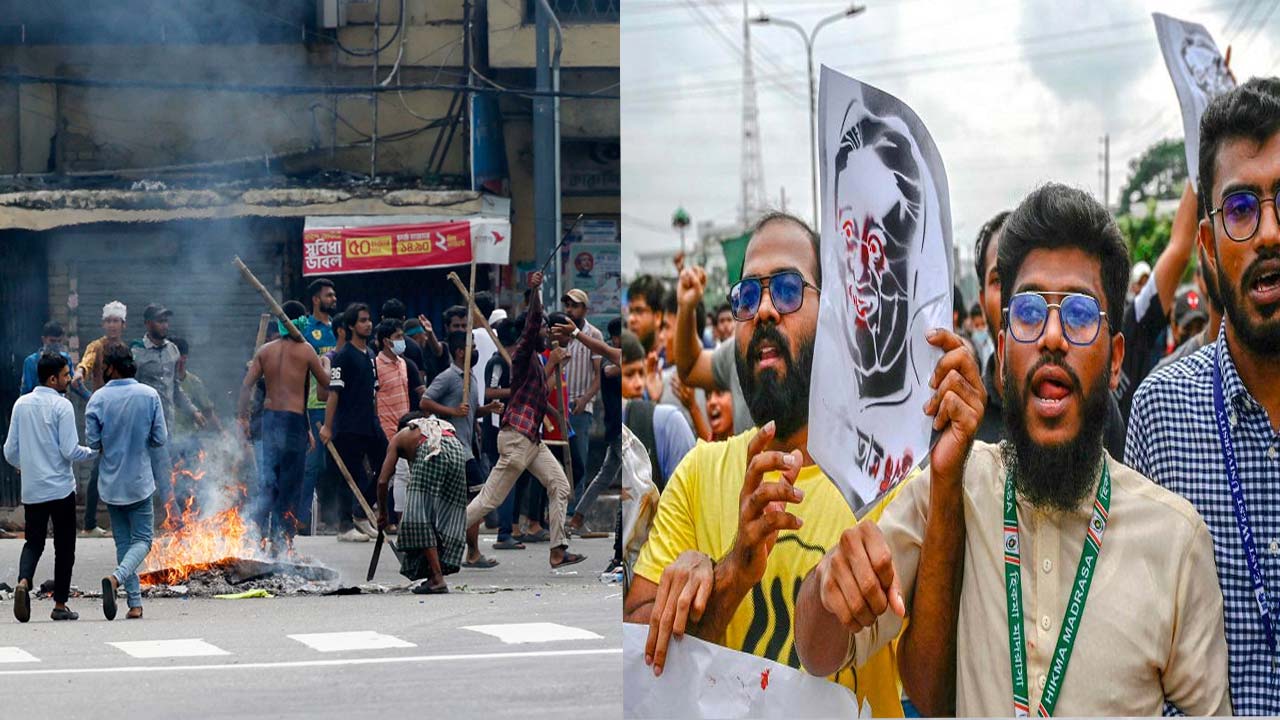
On Sunday, large groups of demonstrators, some armed with sticks, flooded Dhaka’s Shahbagh Square, and clashes erupted across the city and other major urban areas, according to AFP. Protesters disrupted traffic on major roads, engaged in violent confrontations with law enforcement, and clashed with supporters of the ruling Awami League party throughout various cities.
The protests, driven by students and factions aligned with the main opposition, the Bangladesh Nationalist Party, have called for a "non-cooperation" stance. They are urging citizens to withhold taxes, utility payments, and to refrain from working on Sundays, which are regular business days in Bangladesh. Organizers have encouraged protestors to carry bamboo sticks, a response to the previous crackdown by police in July.
Protesters have targeted operational facilities, including the Bangabandhu Sheikh Mujib Medical University, a leading hospital in Dhaka. Reports from witnesses in Dhaka’s Uttara area mentioned the explosion of crude bombs and gunfire, along with several vehicles being set on fire.
In response to the escalating unrest, the government has suspended high-speed internet services. Mobile operators have been directed to cut 4G connectivity, leaving platforms like Facebook and WhatsApp inaccessible even through broadband, as reported by The Daily Star.
The Assistant High Commission of India in Sylhet has advised Indian nationals, including students, to stay vigilant. The commission has urged individuals to maintain contact and report any emergencies to the provided phone number.
Prime Minister Hasina and her party have accused opposition groups and the now-banned right-wing Jamaat-e-Islami party, along with its student affiliates, of inciting the violence. Following a national security meeting, Hasina condemned the protestors as "terrorists" seeking to destabilize the nation and urged citizens to combat them decisively.
The Awami League has announced that Hasina has called for the release of all detained students. She has directed senior officials and the Home Minister to ensure that students who are not charged with serious offenses such as murder or vandalism be freed, addressing one of the major demands of the protesters.
While the Bangladesh Army has not explicitly endorsed the protests, they have expressed solidarity with the people. Army Chief Waker-uz-Zaman assured that the army remains a "symbol of the people's trust" and will continue to support the nation and its citizens. Additionally, some former military officers have joined the protests, with ex-Army Chief General Ikbal Karim Bhuiyan publicly supporting the movement by changing his Facebook profile picture to red.
The unrest initially sparked over a quota system allocating 30 percent of government jobs to families of veterans from Bangladesh's 1971 war of independence. Although the Supreme Court reduced the quota to 5 percent, with 3 percent designated for veterans' families, protests have persisted. Demonstrators are calling for accountability for alleged government overreach in suppressing the unrest, which has resulted in at least 200 deaths nationwide, with Dhaka at the heart of the turmoil.




Post a comment