Economic Survey 2026
The Economic Survey 2026 has cautioned that rising geopolitical and trade-related uncertainties could pose fresh challenges to the global economy, even as recent growth shows signs of recovery. According to the Survey, released by the Government of India, shifts in global trade policies and technological disruptions may increase economic risks in the coming years.
The Survey outlines a first possible scenario described as a “managed disorder,” where global economic activity continues amid persistent instability. Under such conditions, even minor trade disruptions or financial stress could have outsized economic consequences. Experts believe this phase may persist for some time, though overall economic security is expected to weaken.
Highlighting global risks, the World Economic Forum’s Global Risk Report identifies geopolitical tensions and financial conflicts as key threats. It warns that escalating disputes between nations could disrupt global supply chains, with even limited trade restrictions leading to significant economic losses. While inflation may ease in some regions, it is expected to remain a concern in several major economies.
The Survey also presents a more severe scenario, where geopolitical tensions intensify and trade increasingly becomes a strategic tool. Analysts caution that reduced economic cooperation could fragment the global economy into competing blocs, posing serious challenges for export-dependent nations. Such developments may heighten financial market volatility and erode investor confidence.
A third, less likely but high-impact scenario envisions a global recession triggered by economic crises, technological sector bubbles, and geopolitical conflicts. The Survey warns that a sharp correction in financial markets and a potential global debt crisis could follow if investments in emerging technologies decline abruptly.
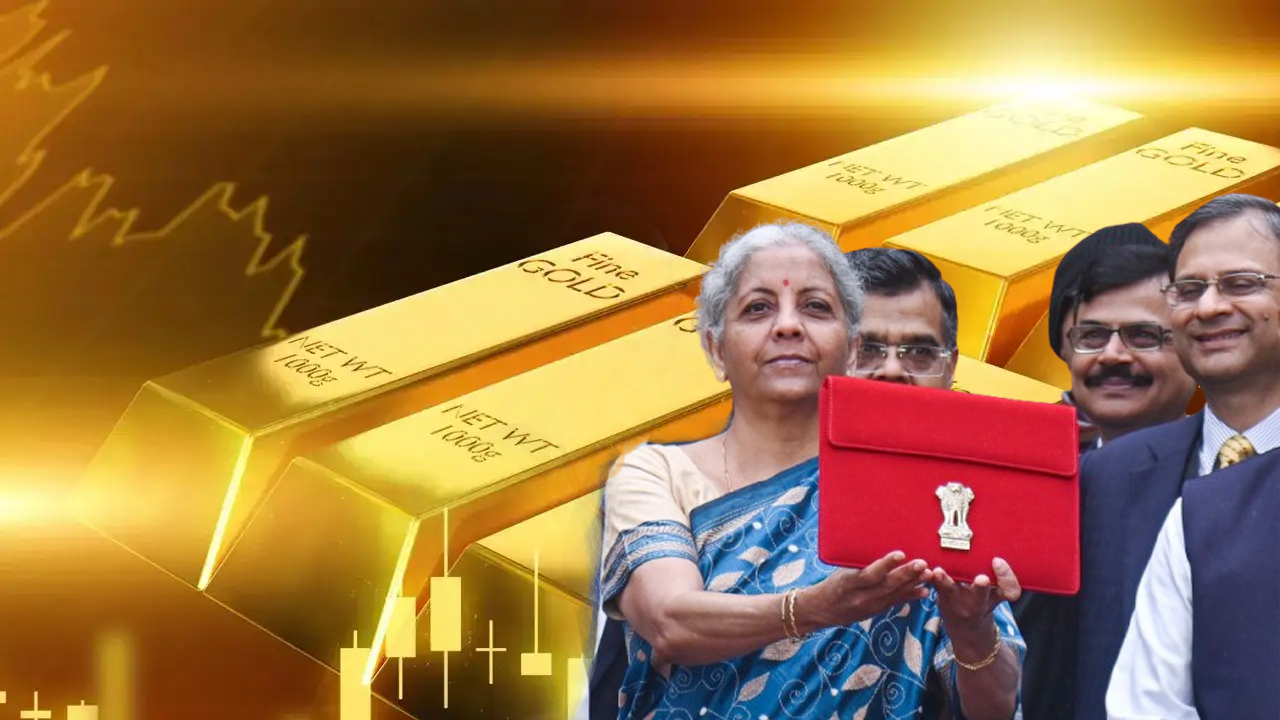
Despite global headwinds, India’s macroeconomic fundamentals provide some resilience. A strong domestic market, adequate foreign exchange reserves, and a stable banking system are cited as key strengths. However, the Survey cautions that capital flow disruptions and pressure on the rupee remain potential risks. The recent surge in gold prices is viewed as an indicator of investors shifting towards safer assets amid growing uncertainty.
The Survey emphasizes that India must adopt a cautious and forward-looking economic strategy in this environment. Policy consistency, governance discipline, supply chain diversification, and export strengthening are identified as priorities. Sustained reforms and robust domestic demand, experts suggest, will be crucial in shielding the Indian economy from global shocks.








Post a comment