Iran Israel War
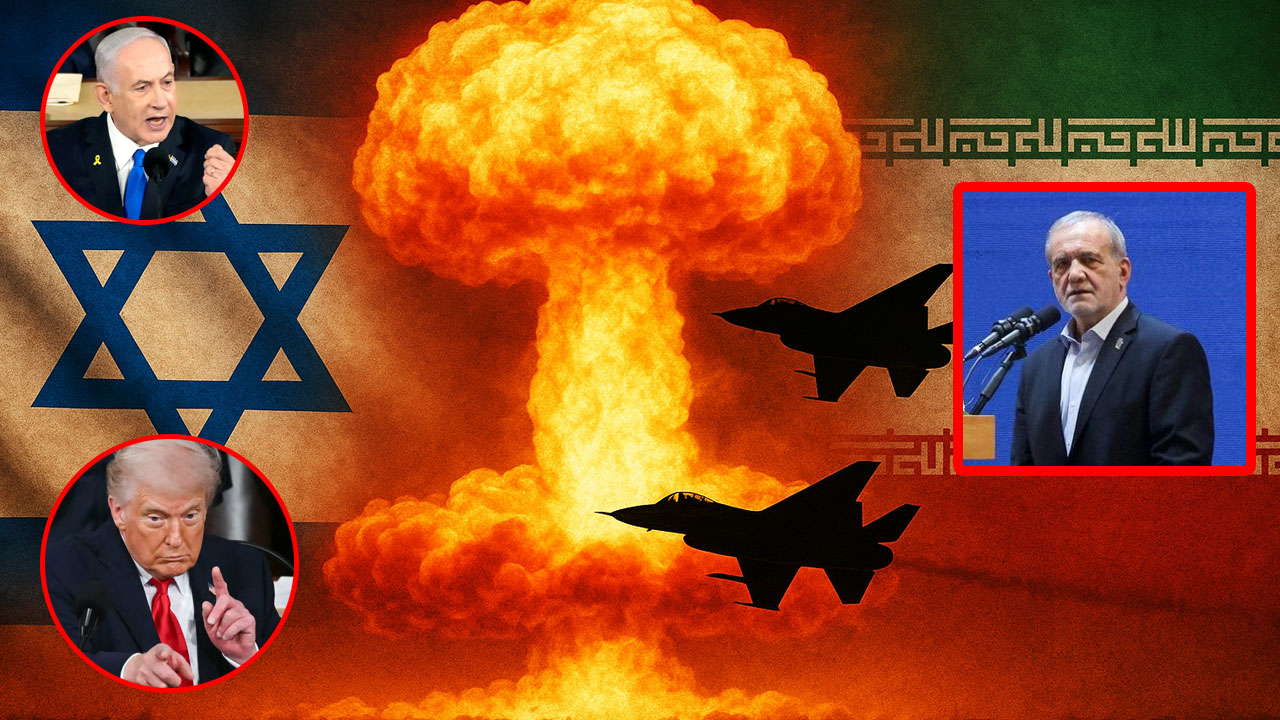
Right now, the phrase most frequently heard across global headlines is “Iran-Israel War.” But what is the real conflict between these two nations? Why are countries that do not even share a border engaged in such intense hostility? Here’s a simple explanation of the decades-long tensions and the recent escalation.
The Core Reasons Behind the Conflict
For nearly 40 years, tensions between Iran and Israel have simmered beneath the surface. Iran does not officially recognize Israel as a legitimate state, while Israel considers Iran’s nuclear ambitions a direct threat to its existence.
Over the years, both nations have reportedly engaged in covert operations, cyberattacks, intelligence missions, and targeted strikes - a prolonged “shadow war” fought without direct large-scale confrontation.
A major point of friction is Iran’s support for anti-Israel groups such as Hamas and Hezbollah. These groups have carried out attacks against Israel, particularly from Gaza and Lebanon.
Israel accuses Iran of arming and funding these organizations to weaken it indirectly. This proxy conflict has kept the region in a constant state of instability.
The Spark That Escalated Tensions
Recently, senior Iranian military officials were reportedly killed in an airstrike on Iran’s diplomatic premises in Syria. In retaliation, Iran launched an unprecedented direct attack on Israel using hundreds of drones and missiles.
This marked a dramatic shift from indirect confrontation to open military engagement, raising fears of a broader regional war.
Support of Global Superpowers
The conflict is further complicated by global alliances. The United States has strongly backed Israel, offering military and diplomatic support.
What Could Be the Global Impact?
If tensions escalate further, the consequences will not be limited to the Middle East.
Petrol and Diesel Prices: The Middle East is crucial to global crude oil supply. Any disruption in shipping routes or oil production could send fuel prices soaring worldwide, directly impacting consumers.
Economic Slowdown: Stock markets often react sharply to war fears. Prolonged conflict could trigger market instability, increase commodity prices, and fuel inflation - potentially leading to economic slowdown or recession.
Threat to World Peace: The biggest fear is escalation. With powerful nations indirectly involved, many worry about the possibility of a wider international conflict. While a full-scale world war remains unlikely, heightened tensions significantly increase global uncertainty.
The Bottom Line
The Iran - Israel conflict is not a sudden war but the result of decades of ideological hostility, regional rivalry, and geopolitical power struggles. The recent escalation has pushed this shadow conflict into the open, drawing global attention and concern.
As the situation unfolds, the world watches closely - hoping diplomacy prevails over destruction.







Post a comment