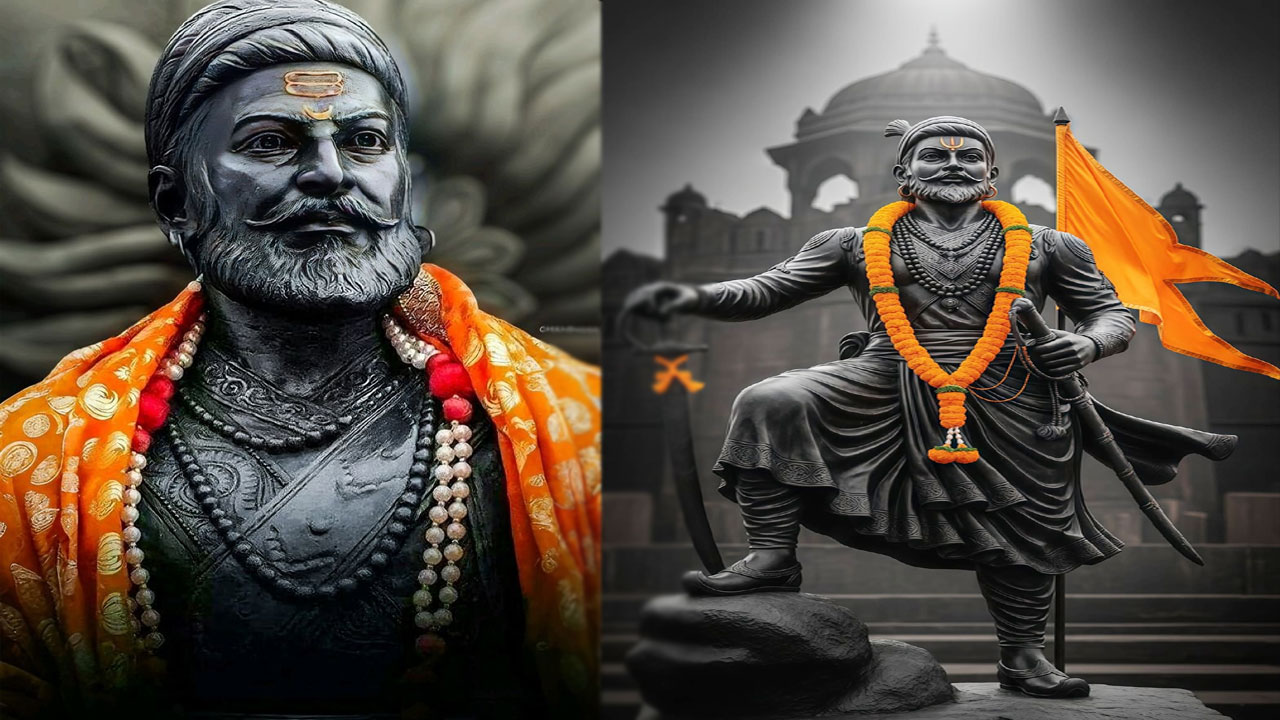
Chhatrapati Shivaji Maharaj
Shivneri Fort, Maharashtra, India: It stands as a symbol of valor, patriotism, spiritual devotion and fearless leadership. A lasting inspiration for the younger generation, it represents bravery and dedication to the motherland. Today marks the birth anniversary of Chhatrapati Shivaji Maharaj. The Maratha kingdom established by him later expanded across large parts of India. Even in the present day, Shivaji Maharaj is regarded as a shining example of ideal governance.
Andhra Jyothi, Feb 19: Chhatrapati Shivaji Maharaj was a secular monarch, an able administrator and the visionary founder of the powerful Maratha Empire. He is remembered as one of the most celebrated warriors, brilliant military planners and just rulers in Indian history. His journey reflects courage, sacrifice and the relentless pursuit of freedom.
Birth and Early Life
Shivajiraje Bhonsle was born on February 19, 1630, at Shivneri Fort in Pune district, Maharashtra. His father, Shahaji Bhonsle, served as a military commander under the Sultan of Bijapur in the Adil Shahi forces. His mother, Jijabai, was deeply religious and a courageous woman who played a vital role in shaping his character. Through stories from the Ramayana and Mahabharata, she instilled moral values, bravery and a strong sense of righteousness in young Shivaji.
Rise of Swarajya
From an early age, Shivaji opposed foreign domination. At just 16 years old, he captured Torana Fort with the help of his companions, marking the beginning of Swarajya. He mastered guerrilla warfare techniques, known as Ganimi Kava, striking enemies unexpectedly and weakening them from within.
One of the most remarkable episodes of his early campaigns was the defeat of Afzal Khan, the powerful general sent by the Sultan of Bijapur. Shivaji's intelligence and courage were evident when he overcame Khan in a dramatic encounter. He later secured important forts such as Kondana (Sinhagad), Rajgarh and Purandar, strengthening his military presence in the Pune region.
Shivaji emerged as a formidable force against dominant powers like the Mughal Empire, Adil Shahi and Nizamshahi dynasties. Alarmed by his growing influence, Mughal Emperor Aurangzeb dispatched Shaista Khan to subdue him. In a daring night raid on Lal Mahal in Pune, Shivaji attacked Shaista Khan and injured him. His escape from Agra Fort, where he was held under surveillance, by hiding in fruit baskets remains one of the most astonishing episodes in history.
Major Battles and Historic Events
- 1659 – Battle of Pratapgarh: Shivaji killed Afzal Khan using a Baghnakh weapon and defeated his massive army, earning widespread recognition for his military brilliance.
- 1660 – Battle of Pawankhand: Baji Prabhu Deshpande sacrificed his life to ensure Shivaji's safe escape.
- 1663 – Attack on Shaista Khan: Shivaji carried out a surprise attack on the Mughal governor at Lal Mahal in Pune.
- 1666 – Escape from Agra: After visiting Agra upon Aurangzeb's invitation, Shivaji escaped dramatically by concealing himself in boxes of sweets.
- After 1670: He conducted raids on Surat, secured victories against Mughal troops and expanded his territory into southern regions including Gingi and Vellore.
Administration and Reforms
Shivaji was not only an exceptional warrior but also a capable ruler. He is often honored as the Father of the Indian Navy. To defend the coastline from foreign invasions, he established a powerful naval force.
He upheld strict discipline regarding the protection of women, instructing his soldiers to treat women, even from enemy territories, with respect and dignity.
For efficient governance, he introduced the Ashtapradhan system, a council of eight ministers responsible for different administrative departments.
Conclusion
- In 1674, Shivaji was formally crowned at Raigad Fort and earned the title "Chhatrapati." He passed away on April 3, 1680. The Maratha Empire he founded continued to expand across India after his death. Even today, Shivaji Maharaj is remembered as a powerful emblem of courage, patriotism and exemplary administration.






Post a comment