Chaitra Navratri 2026 Dates and Navdurga Colours
Chaitra Navratri 2026: Chaitra Navratri 2026 will be observed from March 19 to March 27. Check the full Navdurga schedule, colours list, goddess names, rituals and festival significance.
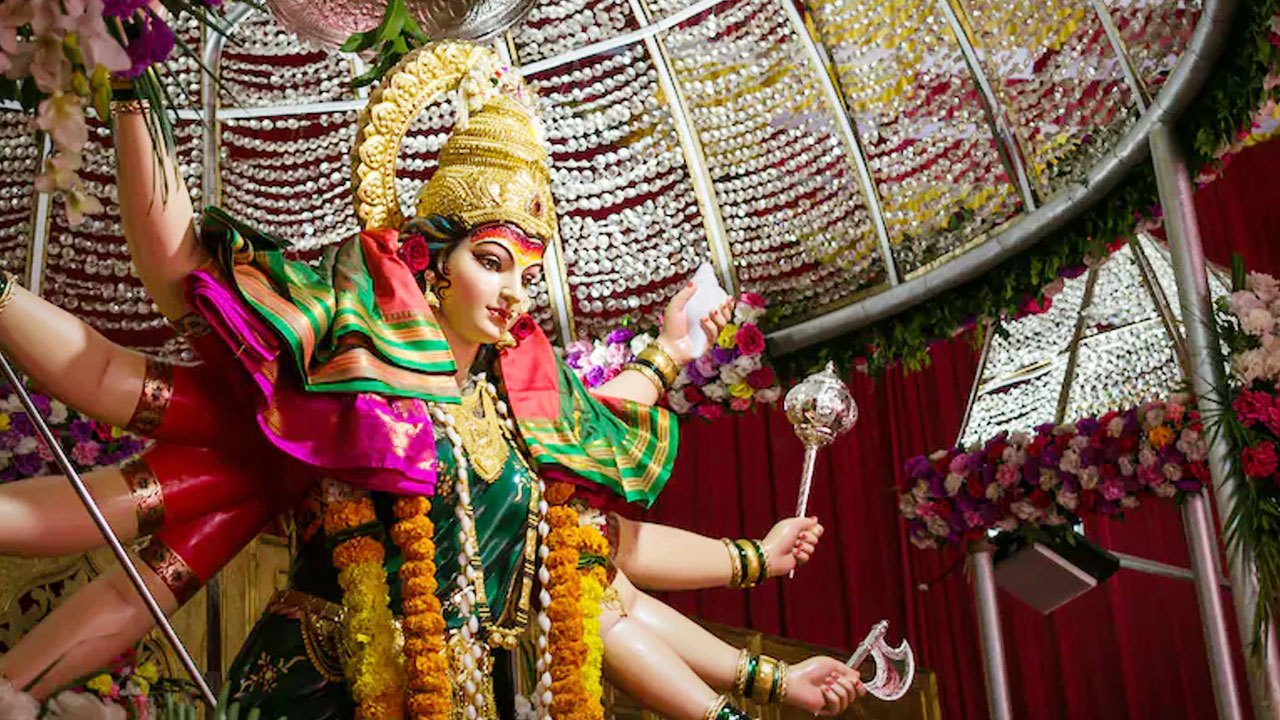
Chaitra Navratri is considered one of the most sacred festivals in the Hindu calendar and is dedicated to the worship of the nine divine manifestations of Goddess Durga. The nine-day celebration marks the beginning of the Hindu lunar year and symbolises the triumph of righteousness over evil.
During this spiritually significant period, devotees observe fasting, perform daily prayers, and offer traditional prasad to the goddess. The festival is widely celebrated across India with deep religious devotion and cultural traditions.
In 2026, Chaitra Navratri will be celebrated from March 19 to March 27, concluding with the festival of Ram Navami, which commemorates the birth of Lord Rama. Each day of the festival is associated with a specific form of Goddess Durga, along with a designated colour and sacred offering.
Chaitra Navratri 2026: Nine-Day Schedule
Day 1 – Worship of Shailputri
- Date: March 19
- Colour: Yellow
- Bhog: Desi Ghee
The festival begins with the ritual of Ghatasthapana or Kalash installation, marking the official start of the nine-day celebration. Devotees worship Shailputri, believed to be the daughter of the Himalayas and the first form of Goddess Durga. Offering desi ghee is believed to bring strength and good health.
Day 2 – Worship of Brahmacharini
- Date: March 20
- Colour: Green
- Bhog: Sugar
The second day honours Brahmacharini, the goddess representing devotion, wisdom and penance. Devotees offer sugar or sweet preparations as prasad while praying for prosperity and spiritual growth.
Day 3 – Worship of Chandraghanta
- Date: March 21
- Colour: Grey
- Bhog: Milk or milk sweets
Chandraghanta, known for her warrior form and protective nature, is worshipped on the third day. Milk and dairy-based offerings such as kheer are presented while devotees pray for courage and protection from negative influences.
Day 4 – Worship of Kushmanda
- Date: March 22
- Colour: Orange
- Bhog: Malpua
The fourth day is dedicated to Kushmanda, who is believed to have created the universe with her divine smile. Devotees offer sweets like malpua and seek blessings for prosperity and happiness.
Day 5 – Worship of Skandamata
- Date: March 23
- Colour: White
- Bhog: Bananas
Skandamata, the mother of Kartikeya, is worshipped on the fifth day. Devotees offer bananas while praying for wisdom, family well-being and protection for children.
Day 6 – Worship of Katyayani
- Date: March 24
- Colour: Red
- Bhog: Honey
The sixth day is devoted to Goddess Katyayani, a powerful warrior form of Durga. Honey is offered during rituals as devotees seek divine blessings and positive energy.
Day 7 – Worship of Kalaratri
- Date: March 25
- Colour: Royal Blue
- Bhog: Jaggery
Kalaratri, one of the most powerful forms of Durga, is worshipped on the seventh day. Devotees offer jaggery or sweets made from jaggery and pray for protection, courage and the removal of negative forces.
Day 8 – Worship of Mahagauri
- Date: March 26
- Colour: Pink
- Bhog: Coconut
Mahagauri symbolises purity, peace and grace. Devotees offer coconut and coconut-based preparations while seeking prosperity, peace and spiritual harmony.
Day 9 – Worship of Siddhidatri
- Date: March 27
- Colour: Purple
- Bhog: Sesame Seeds
The final day is dedicated to Siddhidatri, the goddess believed to grant spiritual knowledge and divine powers. Devotees offer sesame seeds while praying for wisdom and spiritual enlightenment.
Significance of Chaitra Navratri
Chaitra Navratri marks the start of the Hindu lunar calendar and represents the victory of good over evil. The festival holds deep spiritual importance and encourages devotion, discipline and faith.
Across India, the period also coincides with regional New Year celebrations. In Maharashtra, it aligns with Gudi Padwa, while in Andhra Pradesh and Telangana, it coincides with Ugadi, further enhancing the cultural importance of the festival.









Post a comment