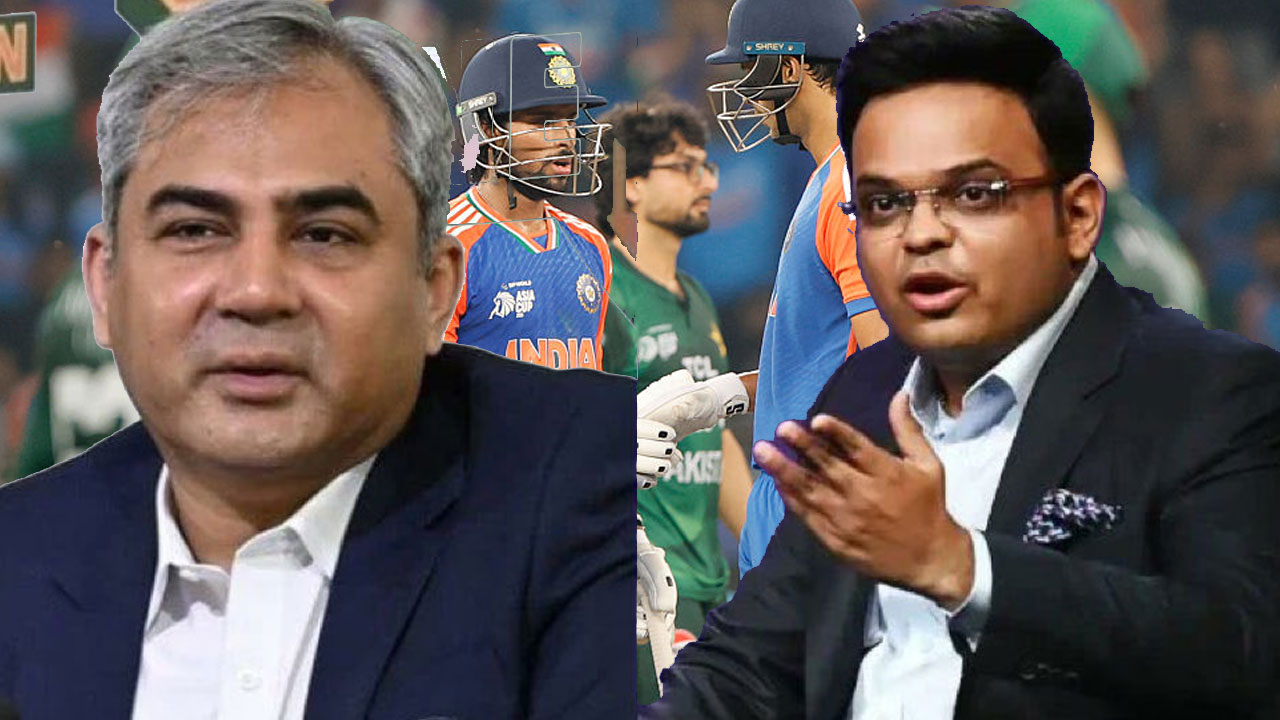
Pakistan Boycotts India Cricket Match
Pakistan’s reported decision to boycott its T20 World Cup 2026 match against India has triggered widespread debate within the global cricket community. While the Pakistan government has permitted the national team to participate in the tournament, it has reportedly declined approval for matches against India. The Pakistan Cricket Board (PCB) has not officially disclosed the reasons behind the move. The development has drawn strong reactions from cricket fans, broadcasters, and administrators, raising questions about whether selective match boycotts are permitted under International Cricket Council regulations.
While boycotting an entire tournament is a known precedent in international sport, selectively refusing to play a particular opponent presents a different challenge. The key issue now is how ICC rules address such a scenario and what consequences Pakistan could face.
1. Walkover and Points Allocation
As per ICC playing conditions, if a team refuses to take the field for a scheduled match, the opposition is awarded a walkover. However, the opposing team must be present on the field to claim match points. In this case, if India’s captain and playing XI are present on the scheduled match date and Pakistan fail to appear, the match referee will officially declare India the winner.
Under ICC regulations, the non-participating team is deemed to have scored zero runs across the full quota of overs. This results in a severe negative impact on net run rate, which could significantly damage Pakistan’s chances of qualifying for the Super 8 stage, even if they win their remaining matches.
2. Financial and Commercial Implications
The India–Pakistan fixture is one of the most commercially valuable events in global cricket. Broadcasters and advertisers rely heavily on this match for viewership and revenue. Industry estimates suggest that broadcasters could lose between $25 million and $30 million in advertising revenue if the match does not take place.
In such circumstances, the ICC is expected to recover losses from the PCB. Additionally, the ICC may suspend or reduce the PCB’s annual revenue share, which reportedly accounts for nearly 70–80 percent of the board’s yearly income. Such measures would result in substantial financial strain on Pakistan cricket.
3. Government Interference and ICC Regulations
According to ICC Article 2.4D, member cricket boards are required to operate independently, without government interference. Any political or governmental direction influencing cricketing decisions is considered a violation of ICC rules.
While there have been instances in the past where teams boycotted matches due to security concerns—such as Australia’s withdrawal from matches in Sri Lanka in 1996 and 2003—the current situation differs significantly. The India–Pakistan match is scheduled to be played at a neutral venue, eliminating security-related concerns. As a result, any government-driven decision to boycott the match could be viewed as a direct breach of ICC regulations.









Post a comment