Hormuz Blockade Impact on India Energy Crisis
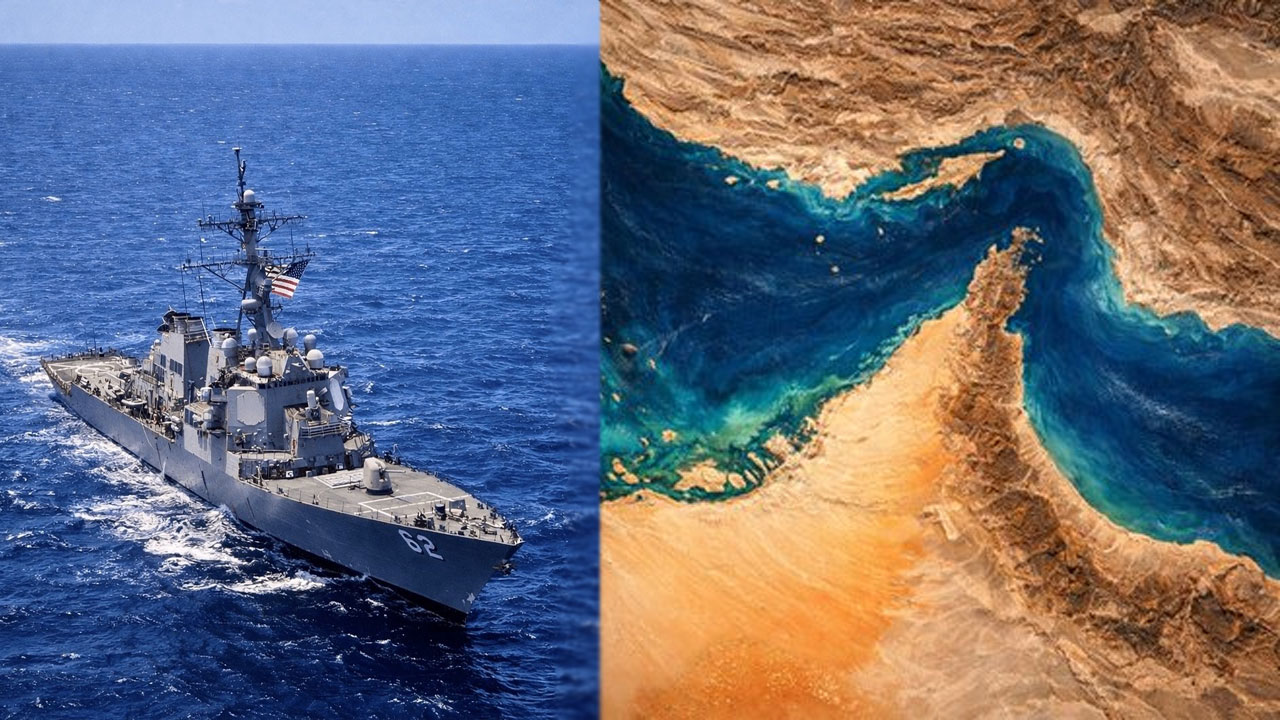
The reported blockade of the Strait of Hormuz by the United States military has raised serious global concerns, with several nations reacting strongly to the development. Countries such as Saudi Arabia have reportedly reached out to former U.S. President Donald Trump, while China and others have condemned the move.
This strategic maritime route plays a crucial role in global energy supply, and any disruption is expected to have far-reaching consequences. The situation has already begun affecting international energy markets, triggering fears of a broader economic impact.
Crude oil prices are currently hovering around $99 per barrel, and experts warn that prolonged disruption could push prices as high as $150. For India, which relies heavily on oil imports from Gulf nations, such a surge could significantly increase import bills, fuel inflation, and widen the trade deficit.
Approximately 12 million barrels of crude oil pass through the Strait of Hormuz every day. A complete blockade could intensify the global energy crisis, directly impacting fuel prices, transportation costs, electricity tariffs, and even food prices in India.
Meanwhile, speculation has emerged suggesting that Iran has restricted access for Indian vessels. However, Iran has denied these claims. In an interview with NDTV, Iranian envoy Mohammad Fatali stated that India remains a friendly nation and assured that the Strait would remain accessible to Indian ships. He also criticized the U.S. action, warning that it could undermine international law and destabilize the global economy.
While Iran’s assurance offers some relief, experts caution that continued tensions and potential supply disruptions could still pose significant challenges to India’s economic stability and energy security.









Post a comment