Oil tankers passing through Strait of Hormuz during Iran war tensions
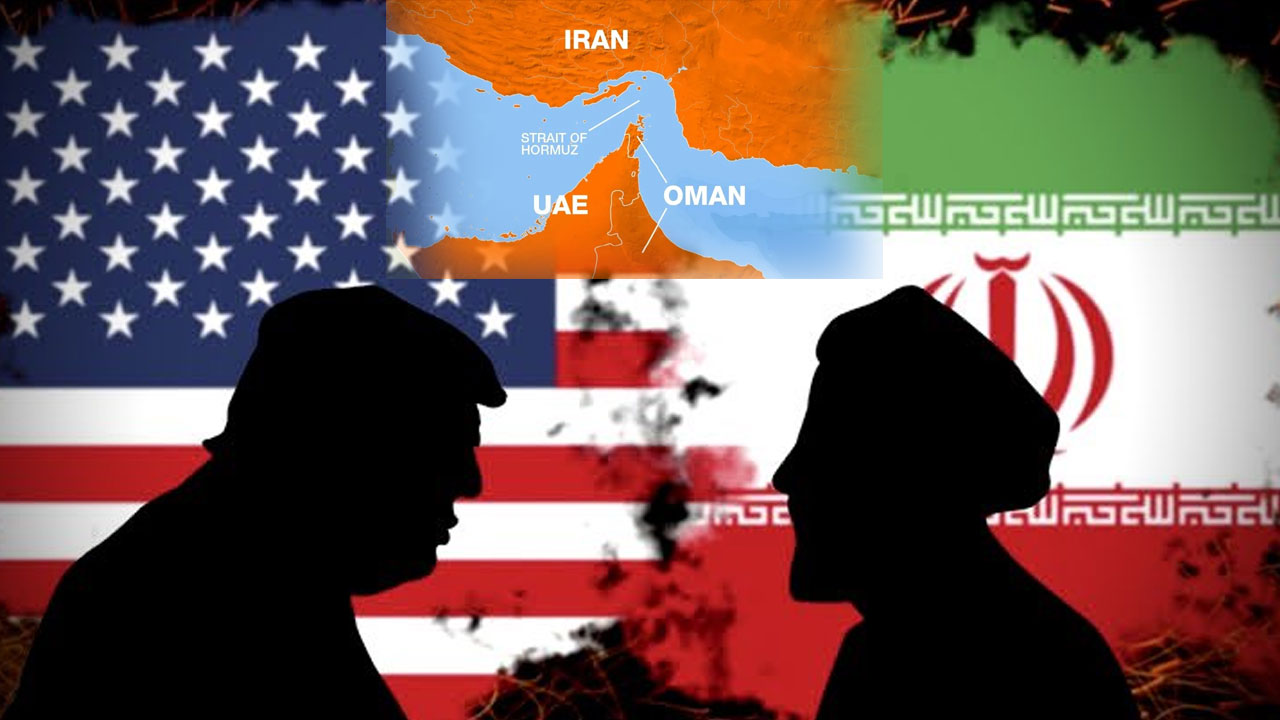
The ongoing conflict involving Iran, the United States, and Israel continues to create widespread geopolitical and economic uncertainty across West Asia. The escalating tensions have significantly disrupted global energy supply routes, particularly affecting oil transportation through the strategically vital Strait of Hormuz.
In a key development, Iraq has received partial relief as Iran appears to have eased restrictions on Iraqi oil shipments passing through the Strait of Hormuz. Iraq’s state-owned oil marketing company, SOMO, has instructed its clients to submit oil loading schedules within 24 hours to ensure uninterrupted export operations.
SOMO confirmed that all export facilities, including the Basra Oil Terminal, are functioning normally. The company emphasized its readiness to meet contractual supply commitments without disruption, signaling a move toward stabilizing oil exports amid ongoing regional tensions.
Iraq’s oil production has been severely affected by the conflict, dropping to approximately 800,000 barrels per day. The easing of transit restrictions is expected to provide crucial economic relief and help restore production levels.
Meanwhile, US President Donald Trump has issued a strong warning to Iran, threatening potential strikes on critical infrastructure if the Strait of Hormuz remains restricted. However, Democratic leaders have criticized such statements, calling them dangerous and potentially violative of international law.
Iran has rejected the ultimatum, warning that any escalation by the United States could further destabilize international energy routes and intensify the crisis.
The conflict has already led to casualties and infrastructure damage. In Israel, at least two people were killed following a building collapse in Haifa linked to retaliatory strikes. Missile activity has also been reported in Abu Dhabi and Kuwait, raising concerns over a broader regional escalation.
Amid growing tensions, diplomatic efforts are underway, with mediators from Pakistan, Egypt, and Turkey proposing a 45-day ceasefire to de-escalate the situation.
The global oil market remains under pressure as uncertainty continues to impact supply chains and pricing, with the Strait of Hormuz playing a critical role in determining future stability.









Post a comment