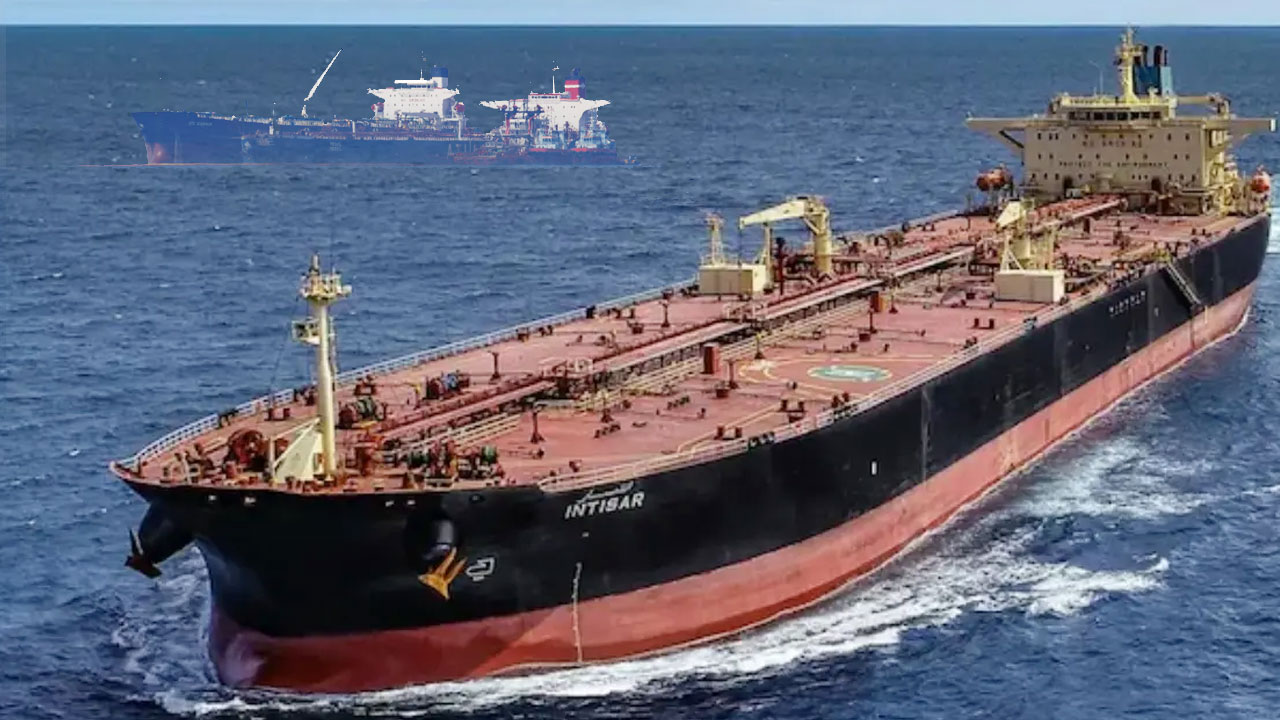
Iranian oil tanker changing route from India to China amid payment dispute
An Iranian oil tanker bound for India has diverted to China due to payment disputes and stricter credit terms, highlighting challenges in global oil trade amid Middle East tensions and shifting energy dynamics.
A crude oil tanker transporting Iranian oil to India has altered its course, signaling fresh challenges in global energy trade. The vessel Ping Shun, originally scheduled to arrive at Vadinar port in Gujarat, is now reportedly heading toward China following a disagreement over payment terms.
The tanker was carrying approximately 600,000 barrels of crude oil loaded from Iran’s Kharg Island. However, the transaction encountered complications after suppliers tightened credit conditions at the final stage. Traditionally, Iranian oil shipments operate on a credit period of 30 to 60 days. Amid ongoing geopolitical tensions in West Asia, sellers have begun insisting on immediate or short-term payments.
According to data from global analytics firm Kepler, the ship rerouted toward China after Indian buyers declined to comply with the revised payment conditions.
The situation unfolds against the backdrop of temporary sanctions relief announced by the United States, which allowed vessels loaded before March 20 a 30-day window of operational flexibility. India had aimed to leverage this opportunity to secure crude oil at relatively lower prices. However, unresolved payment mechanisms have emerged as a key obstacle.
Market analysts indicate that the shipment could still return to Indian refineries if financial terms are settled. “Trade regulations, rather than logistical constraints, are currently influencing Iran’s oil supply decisions,” noted Sumit Ritolia, lead research analyst at Kepler.
Meanwhile, the price advantage previously associated with discounted Russian and Iranian crude appears to be narrowing. A report by Vortexa highlights that growing global demand and increased buyer competition have reduced discounts, with some shipments even commanding premium pricing.
While India’s imports of Russian oil have rebounded following sanctions adjustments, similar transactions with Iran remain constrained due to payment-related challenges. As China continues to expand its oil imports, the outcome of negotiations between India and Iran will be critical in shaping the country’s energy security strategy in the near term.









Post a comment