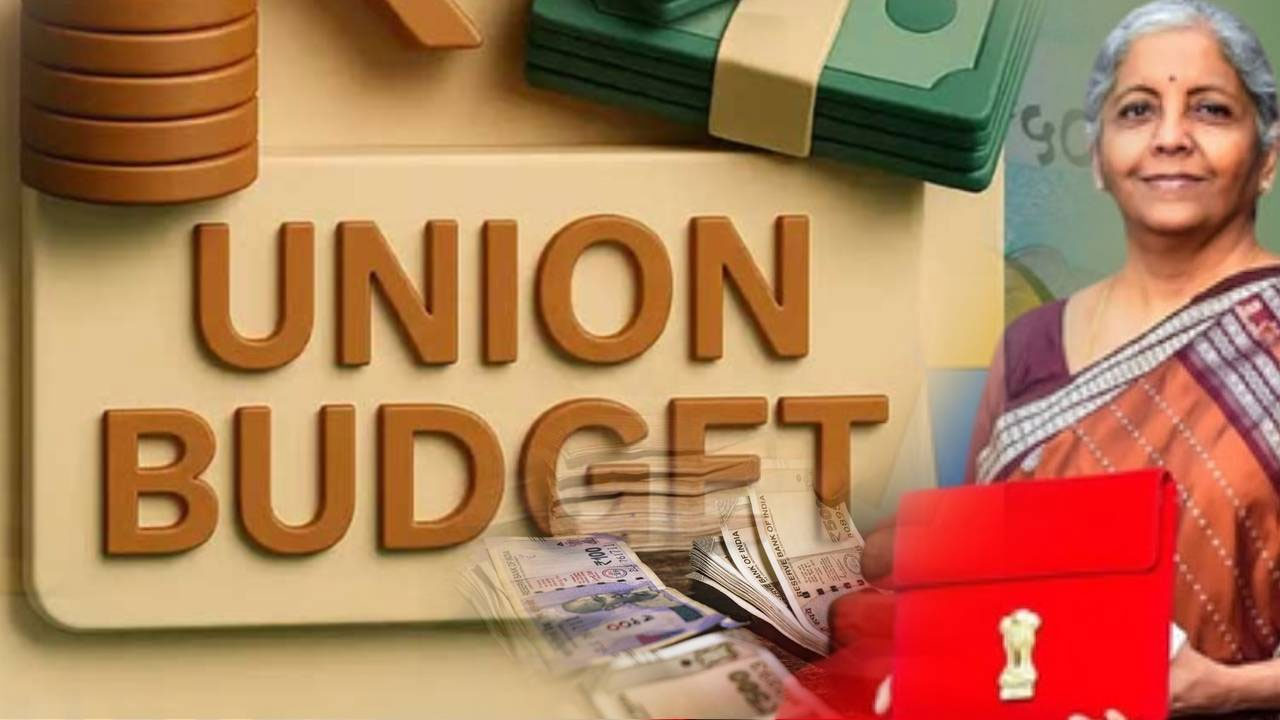
Union Budget 2026
New Delhi, Delhi, India: With the presentation of the Union Budget 2026 approaching, public attention has once again turned to the expectations of India’s middle class. Union Finance Minister Nirmala Sitharaman is scheduled to present the budget in Parliament on February 1, and there is widespread curiosity about what relief, if any, the Centre may offer at a time of economic uncertainty.
The backdrop to this year’s budget includes commitments made during the 2024 general elections, along with global challenges such as tariff pressures from the United States. Against this backdrop, the middle class is not anticipating major concessions or sweeping tax cuts. Instead, there is a clear preference for stability—particularly the hope that taxes, prices, and interest rates are not increased further.
For most middle-class households, financial security remains closely tied to employment. Job stability is a primary concern, as rising living costs can quickly strain household budgets even for those who are employed. Any sharp increase in prices of essential commodities, including vegetables and daily necessities, risks pushing families into debt and reducing discretionary spending, which could also impact small businesses.
Home ownership continues to be a long-held aspiration for millions of middle-class Indians. While housing schemes often focus on economically weaker sections, middle-income families seek more affordable home prices and easier access to housing loans at lower interest rates. Such measures, they believe, would make home ownership more achievable.
Rising rental costs have added to financial pressure, especially in urban areas. With rents increasing frequently and salaries not always keeping pace, there is growing demand for structured rental housing policies and better regulation to prevent sudden spikes in housing costs.
The Centre has already announced income tax exemptions of up to ₹12 lakh and implemented several GST reforms, including rate reductions. However, the benefits of these measures are often offset by higher expenses related to housing, transportation, and daily living. Ultimately, the middle class is seeking reassurance that employment opportunities will remain stable and that inflation and costs will not rise further.








Post a comment