US-Israel Tensions
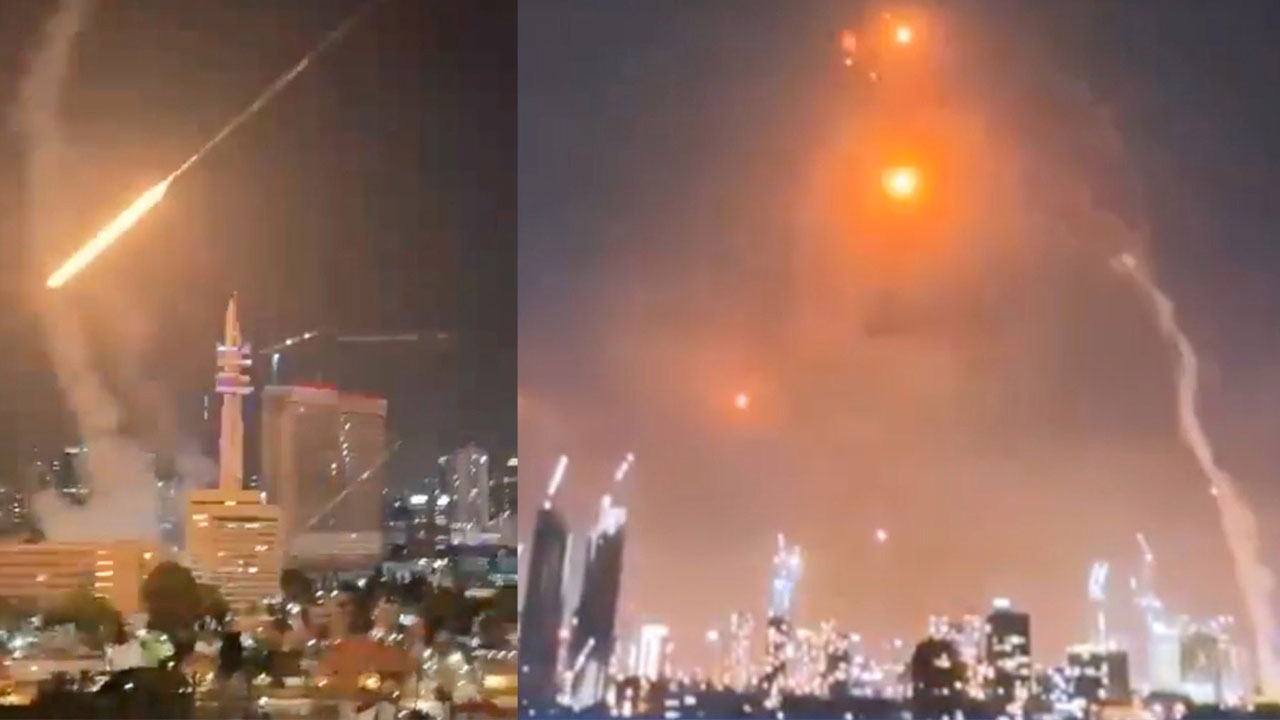
US-Israel Tensions: As tensions escalate in West Asia, global attention has turned toward Iran’s recent military posture. Amid its ongoing confrontation with the United States and its long-standing rival Israel, Tehran has directed missile strikes toward neighbouring Gulf nations instead of launching direct attacks on Washington or Tel Aviv. The strategy has sparked international debate over whether it reflects tactical restraint or calculated geopolitical manoeuvring.
Targeting US Military Infrastructure in the Gulf
One of the primary reasons behind Iran’s focus on neighbouring countries is the presence of American military installations across the Gulf region. Nations such as Bahrain, Qatar and Kuwait host major US naval and air bases. These facilities are considered strategic hubs for American operations in the region.
Iranian officials and analysts argue that these bases have played a role in joint US-Israeli operations against Iranian interests. Since Tehran lacks the capability to directly strike the US mainland, targeting these regional logistical centres allows it to exert pressure on American military assets without escalating into full-scale direct confrontation.
Reasserting Regional Influence
Iran has historically relied on proxy groups such as Hamas and Hezbollah to expand its regional footprint. However, developments between 2024 and 2025 significantly weakened these alliances. Israeli operations severely damaged these organisations, while the fall of Bashar al-Assad’s government in Syria further diminished Tehran’s strategic depth.
With its regional influence under strain, Iran appears to be increasing pressure on pro-Western Gulf states to reassert its dominance and signal that it remains a formidable actor in West Asia.
Strategic Pressure on Global Energy Markets
Energy geopolitics is another crucial dimension of the crisis. Gulf nations play a central role in global oil exports, and instability in the region has immediate economic repercussions worldwide.
Iran has hinted at the possibility of disrupting shipping routes through the Strait of Hormuz, one of the world’s most vital oil transit corridors. Any closure or disruption of this passage would significantly impact global supply chains and energy prices. Analysts suggest that such threats are intended to pressure the United States and European allies by raising the economic cost of supporting Israel.
Diverting Attention from Domestic Unrest
Internally, Iran has been grappling with sustained protests since January 2026, driven by economic hardship and currency instability. Rising inflation and unemployment have intensified public dissatisfaction.
Some observers believe that external military engagement may serve to galvanise nationalist sentiment and shift public attention away from domestic challenges. Historically, external conflict has often been used by governments to consolidate internal unity during times of political stress.
Concerns Over Regime Stability
There is also growing speculation that the United States and Israel may be pursuing a strategy aimed at regime destabilisation in Tehran. Recent strikes have reportedly targeted not only military installations but also strategic leadership networks.
In this context, Iran’s actions may reflect a defensive posture — projecting strength outward while navigating vulnerabilities at home. Some experts argue that the strikes on smaller neighbouring nations may also be designed to push Washington toward diplomatic engagement rather than prolonged confrontation.









Post a comment