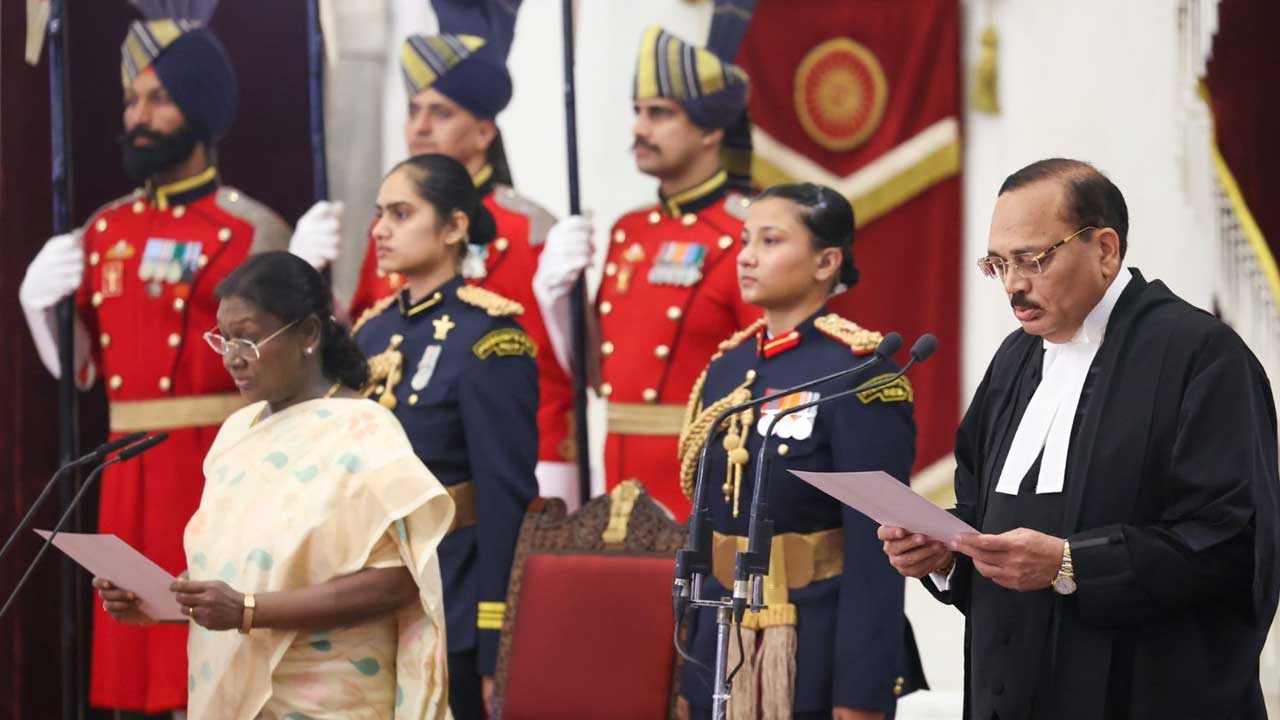
Justice Surya Kant to Take Oath as the New Chief Justice of India
Hisar, Haryana, India: The term of outgoing Chief Justice of India (CJI) Justice B.R. Gavai concluded on Sunday. Following his retirement, Justice Surya Kant is set to assume office today as the 53rd Chief Justice of India. His tenure as the head of the Supreme Court will continue until February 9, 2027.
Born on February 10, 1962, in Haryana’s Hisar district, Surya Kant began his legal journey as an advocate in the Hisar District Court. He later practiced extensively in the Punjab and Haryana High Court. In 2018, he was appointed Chief Justice of the Himachal Pradesh High Court. Subsequently, he was elevated to the Supreme Court, eventually being designated to take charge as the CJI.
Notable Judgments Delivered by Justice Surya Kant

Throughout his judicial career, Justice Surya Kant has been part of several landmark rulings. He was a member of the Constitution Bench that upheld the removal of Article 370. He also served on the bench that issued an interim stay on invoking the sedition law under Section 124A of the Indian Penal Code.
Justice Surya Kant has contributed to major decisions related to the Pegasus spyware case, electoral transparency, gender rights, the Prime Minister’s security breach incident, and matters concerning the One Rank One Pension (OROP) scheme. Legal observers expect that his tenure as CJI will see further impactful judgments and important judicial reforms.
CJI Gavai’s Remarks on Judicial Independence

Before his retirement, Justice B.R. Gavai emphasized the true meaning of judicial independence. Speaking to the media at his residence, he clarified that a judge does not need to rule against the government to prove impartiality. Instead, he said, decisions must flow strictly from the evidence and documents presented in court.
He also stressed the need for a dedicated law to deal with hate speech. “As judges, our verdicts should not depend on whether a case involves the government or private individuals. Some believe that a judge is independent only when rulings go against the government, but that perception is incorrect. Independence is reflected in fairness, not in opposing the government,” he said.
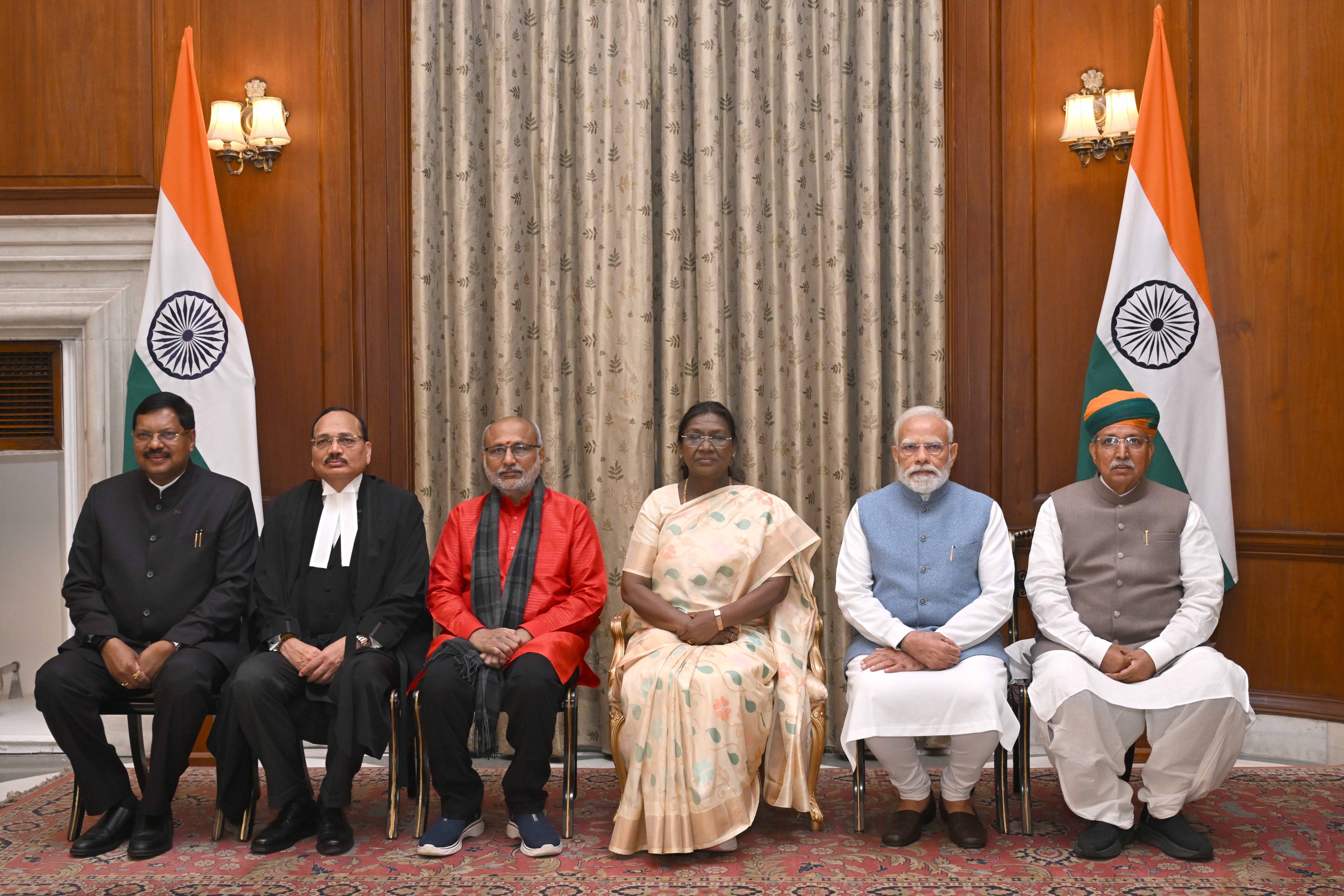
LIVE: Swearing-in-Ceremony of the Chief Justice of India Shri Justice Surya Kant at Rashtrapati Bhavan https://t.co/EZGbzgCbig
— President of India (@rashtrapatibhvn) November 24, 2025







Post a comment