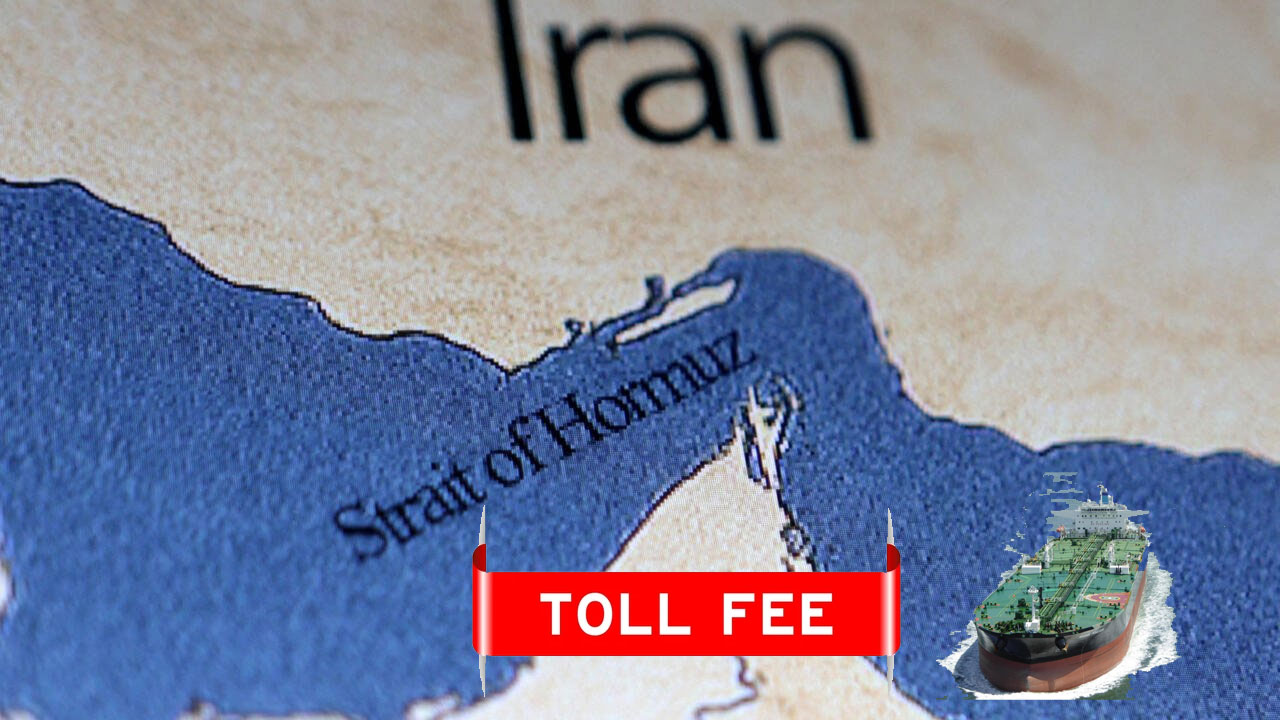
Iran introduces toll charges on vessels crossing the Strait of Hormuz
Iran has approved a significant policy to impose toll charges on vessels transiting the strategically crucial Strait of Hormuz, a key global corridor for oil transportation.
According to reports from Islamic Republic of Iran Broadcasting, the parliamentary security committee has cleared the “Hormuz Management Plan,” authorizing authorities to formally collect tolls from passing ships. Under the proposed framework, oil tankers could be charged up to ₹18.90 crore per transit.
The policy is part of Iran’s broader initiative to strengthen its sovereignty and regulatory oversight over the waterway. It includes enhanced maritime security protocols, stricter financial monitoring, and improved navigational safety systems.
Additionally, the framework introduces restrictions on vessels linked to the United States and Israel, a move that could further heighten geopolitical tensions in the region.
The Islamic Revolutionary Guard Corps has reportedly finalized operational guidelines for implementing the toll system. So far, 26 vessels have successfully navigated the strait under the new regulations after complying with documentation requirements and receiving clearance approvals.
However, the decision has drawn sharp criticism from the international community. The United States has strongly opposed the move, with Secretary of State Marco Rubio stating that unilateral control over international waterways is unacceptable.
Meanwhile, the G7 nations have also expressed concern, emphasizing the need to uphold freedom of navigation in critical maritime routes. They have called for immediate measures to ensure uninterrupted global trade and adherence to international norms.
This development raises renewed concerns about the stability of global energy supply chains and the future of maritime security in one of the world’s most vital oil transit corridors.









Post a comment