Iran rejects Pakistan mediation for US talks amid Middle East tensions
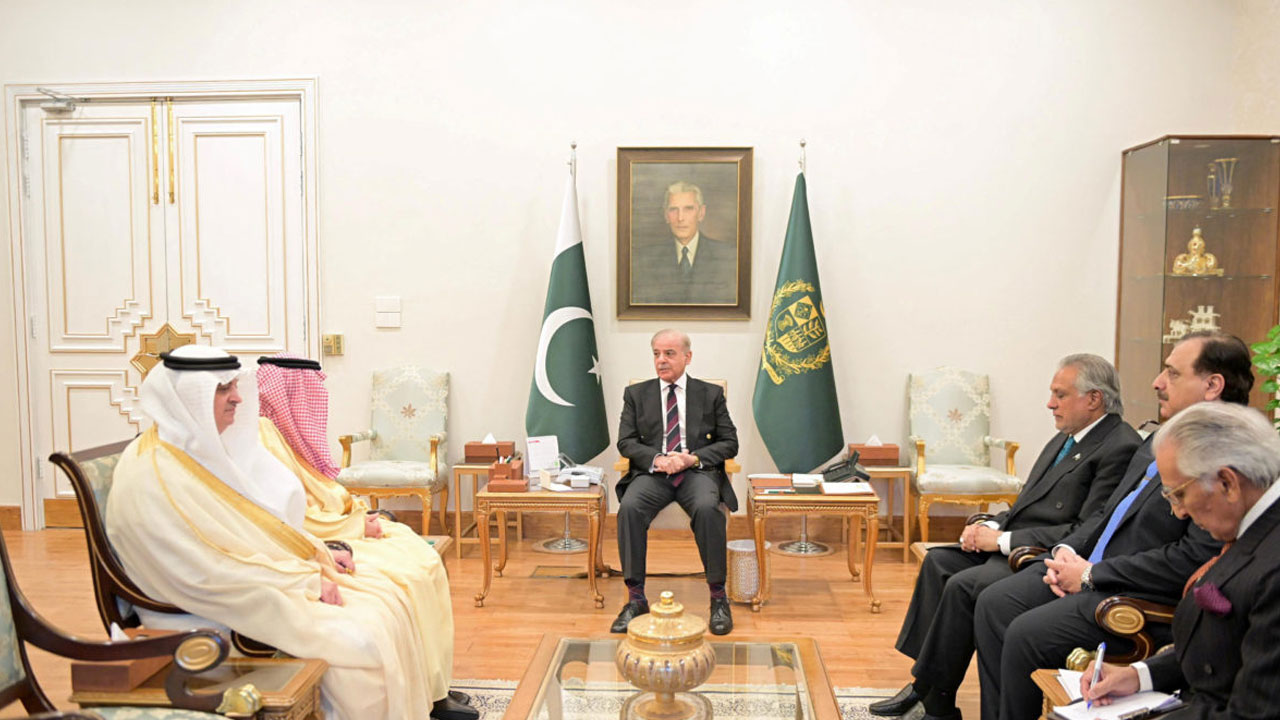
Islamabad: Iran has decisively dismissed Pakistan’s proposal to facilitate dialogue with the United States, dealing a blow to Islamabad’s attempt to play a constructive role in reducing tensions across the Middle East.
Pakistan had recently shown readiness to host and oversee direct negotiations between Washington and Tehran, with the goal of easing rising geopolitical strains in the region. However, Iranian officials made it clear that they are not participating in any mediation efforts of this nature.
In a message posted on social media by the Consulate General of Iran in Mumbai, Iran stated that there are currently no direct negotiations taking place with the United States. It further explained that any communication exchanged so far has been indirect and conducted through third-party channels.
“The United States continues to alter its diplomatic position. There are no direct discussions underway. What we are seeing are simply demands conveyed via intermediaries. Pakistan’s mediation proposal is an independent move, and we are not associated with it,” the statement said.
Iran also acknowledged appeals for reducing tensions but emphasized the importance of understanding the underlying causes driving the ongoing conflict.
At the same time, Pakistan’s Foreign Minister Ishaq Dar held talks in Islamabad on Sunday with officials from Egypt, Saudi Arabia, and Turkey. The discussions focused on the wider economic impact of the continuing instability in the Middle East.
Earlier, Dar had voiced optimism about Pakistan’s potential role in encouraging dialogue, noting that both Washington and Tehran had shown trust in Islamabad’s diplomatic outreach. He also indicated that discussions might be held in Islamabad in the near future.
However, Iran’s recent stance appears to have effectively excluded Pakistan from playing any mediating role, highlighting the intricate and sensitive nature of diplomatic relations in the region.








Post a comment